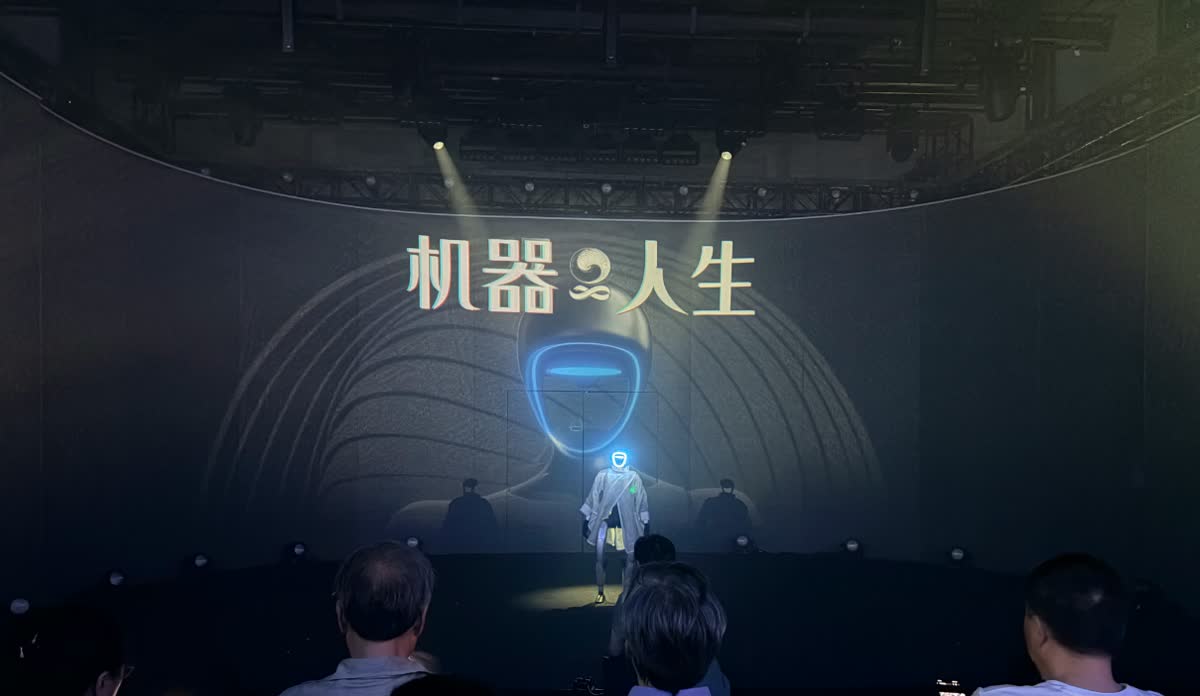
Recently, the world’s first AI-powered interactive musical, Robot Life, was staged at the Huashan Road campus of the Shanghai Theatre Academy. XHOLO brought its Media-free Holography technology into the event, marking the first time that spatial intelligence has entered a real theater space.
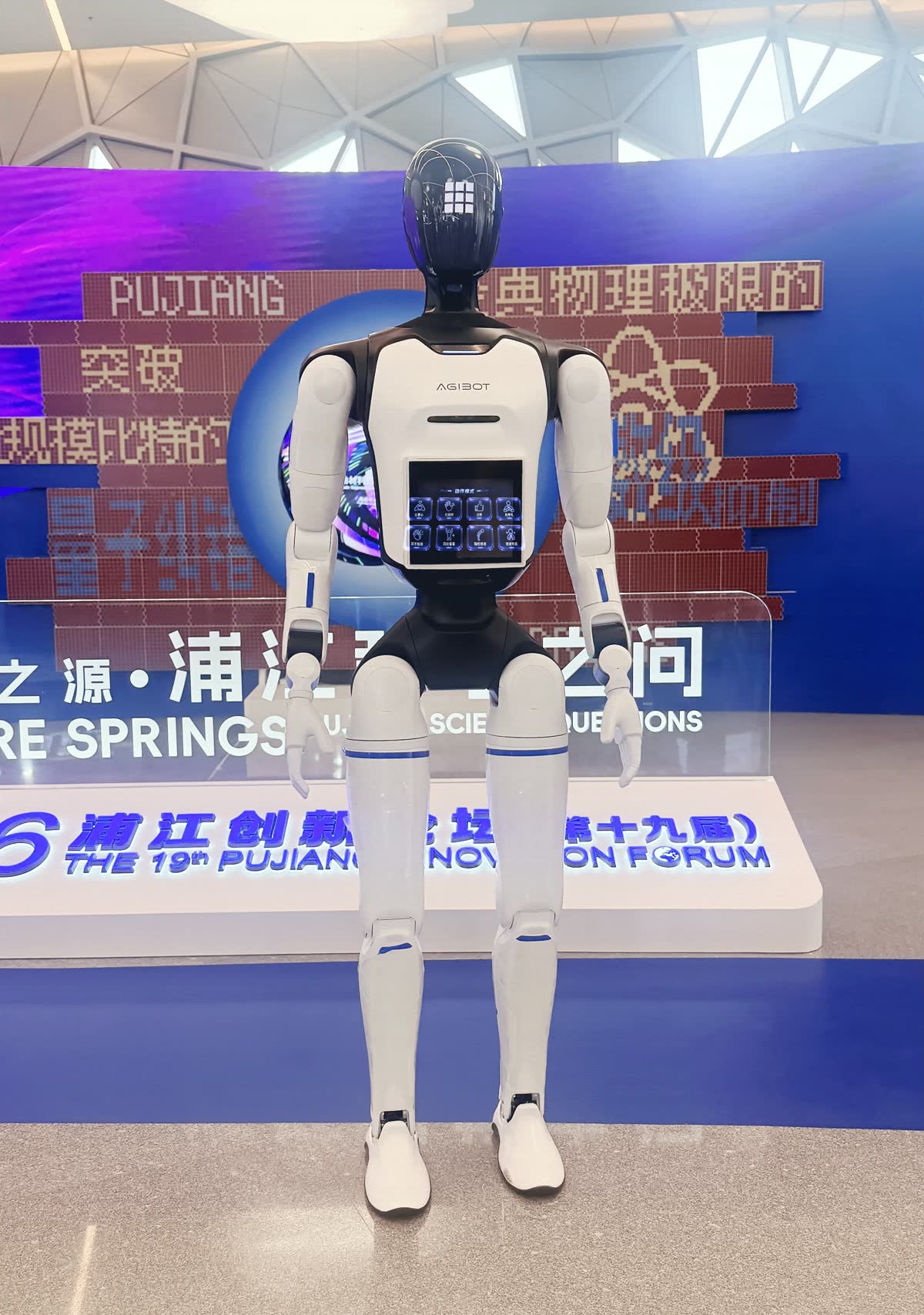
On the stage of Robot Life, six performers shared the spotlight with robots, robotic dogs, and a robotic giant panda, pushing artificial intelligence from behind the scenes to center stage. These AIs now have voices, images, and personalities—they can perceive, respond, stand beside human actors, move across the stage, and become true “present beings” in every sense.
As part of this exploration, XHOLO’s Media-free Holography technology offered AI a gateway into real-world spaces. AI digital humans floating in mid-air require no wearable devices, no physical media—visible to the naked eye and within reach. For the first time, digital forms of AI are seen, touched, and interacted with in physical space, becoming entities with which anyone can communicate naturally.
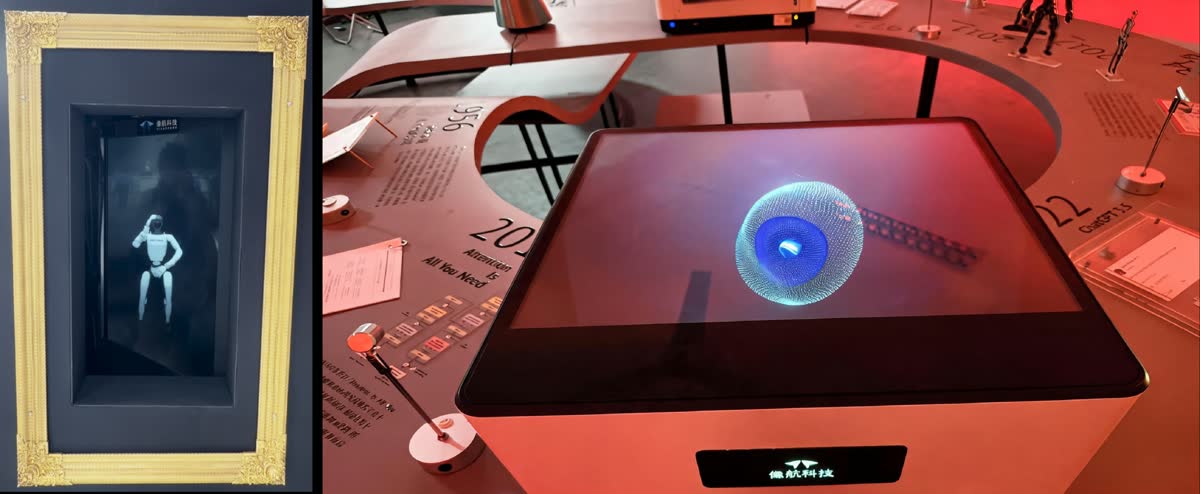
Robot Life is not only an artistic endeavor but also a cutting-edge experiment in future human-machine interaction. The same technological logic will not remain confined to the theater. When AI’s cognitive abilities, environmental sensing via sensors, and the natural interaction of Media-free Holography work in tandem, information can break free from screens and appear wherever it is most needed—in smart healthcare, intelligent cockpits, smart cultural tourism, consumer electronics, and beyond. Human-machine interaction is shifting from “humans adapting to machines” to “machines understanding humans, and spaces serving people.”
For XHOLO, this performance was not merely a technology showcase but a critical validation. It is about moving displays from 2D screens to 3D spaces, transforming operations from click-and-touch to natural interaction, and bringing artificial intelligence truly into the real world. This is a path XHOLO has walked for over a decade—and one it will continue to walk in the years ahead.