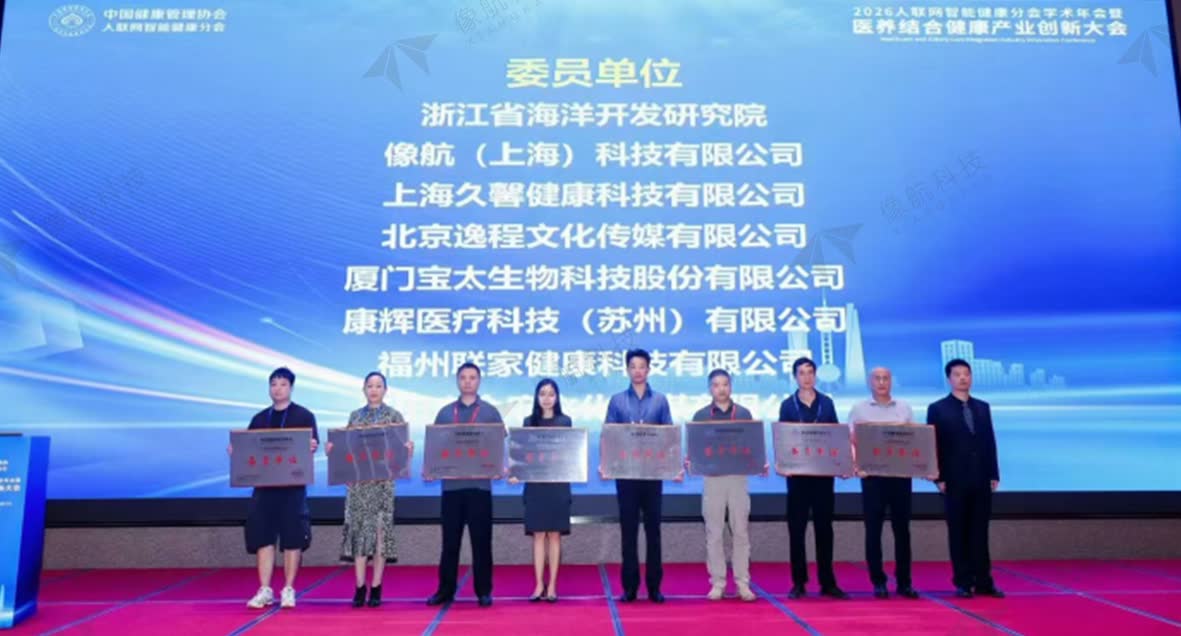
Recently, the 2026 Academic Annual Meeting & Innovation Conference on Integrated Medical and Elderly Care Health Industry was successfully held in Lingang, Shanghai. XHOLO, together with top medical experts and academic leaders, focused on the hot topics and pain points at the clinical frontline, jointly discussed the implementation pathways for deep integration of technology with clinical practice, and shared innovative application insights on medical-engineering integration geared toward clinical core needs.
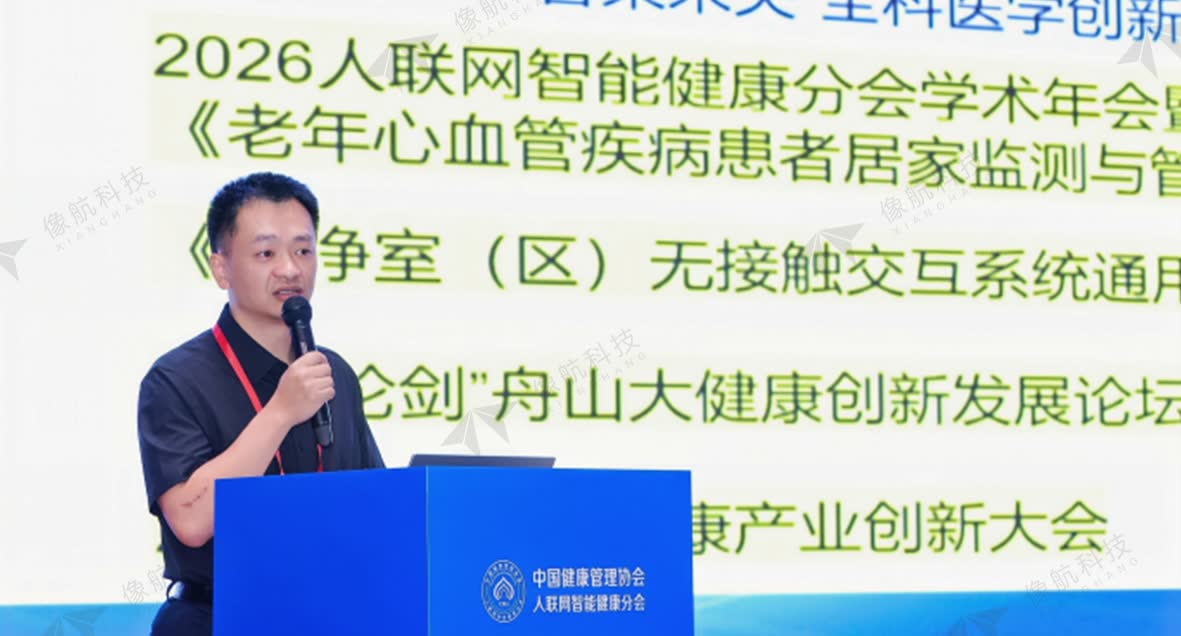
At the conference, Professor Yu Yunhua from the 900th Hospital of the Joint Logistics Support Force presented the clinical application prospects of media-free holography in the context of medical-engineering integration. He outlined four major pain points in medical scenarios and interpreted corresponding solution frameworks enabled by media-free holography.
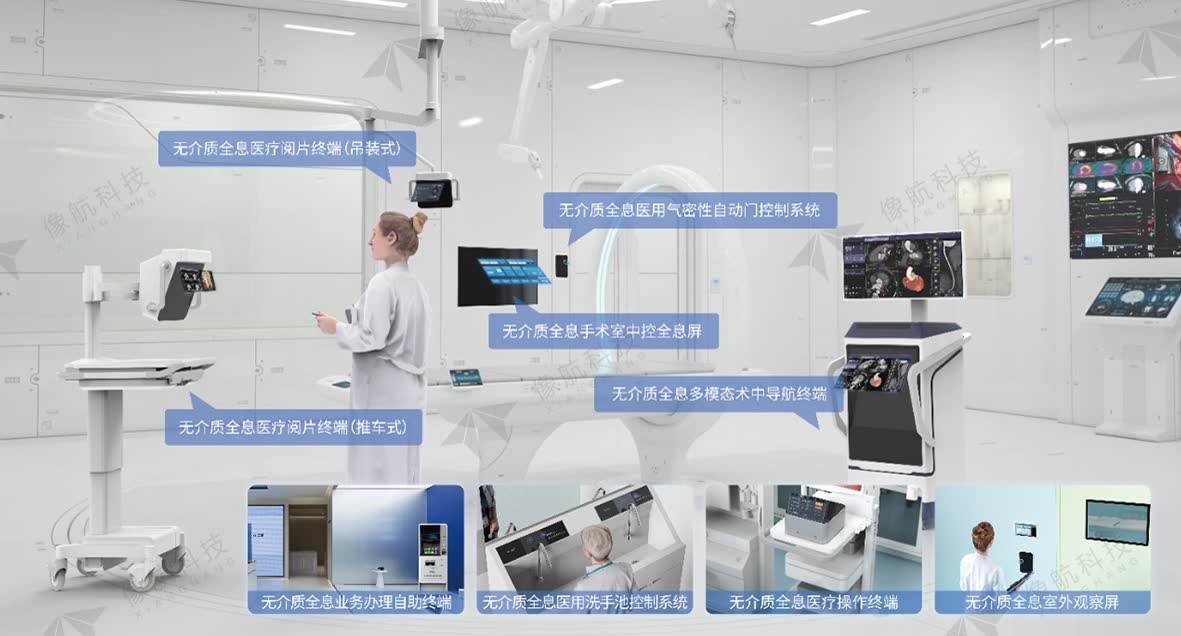
Application 1: 3D Image Collaboration and Intraoperative Navigation in Operating Rooms
During surgery, doctors are often restricted by aseptic regulations from easily operating conventional screens, forcing them to interrupt procedures or rely on assistants for relayed instructions. Media-free holography projects 3D images in mid-air, allowing doctors to directly view, retrieve, annotate, and plan pathways without leaving the sterile field. This enables real-time collaborative imaging navigation and ensures smooth, uninterrupted surgical workflows.
Application 2: Clean Hospital Environments and Contactless Public Services
High-touch points such as elevators, access controls, and operating consoles are potential sources of nosocomial infections, and hand hygiene compliance cannot be fully guaranteed by institutional rules alone. Media-free holography adds an extra physical protective layer atop existing disinfection protocols, converting touch-based operations into mid-air interactions and reducing pathogen transmission risks via surfaces. This creates a dual‑assurance system combining “institutional measures + hardware safeguards” for infection control.
Application 3: 3D Visualized Explanations in Doctor-Patient Communication
Traditional image-reading relies on 2D films and on-screen pictures, making it difficult for average patients without medical backgrounds to understand lesion locations or surgical plans. With media-free holographic terminals, doctors can convert patient imaging data into suspended 3D models and use gesture and voice controls to explain conditions. This transforms abstract medical information into intuitive visual presentations, lowers the barrier for patient comprehension, and effectively bridges the cognitive gap between doctors and patients.
Application 4: Media-free Holographic AI-Assisted Intelligent Agents
During clinical emergencies and interventions, doctors often cannot retrieve complete reference information in time. The media-free holographic AI agent can instantly access electronic health records, lab results, treatment guidelines, medication contraindications, surgical indications, and other knowledge bases, dynamically presenting them on the holographic interface. It acts as a bedside mobile knowledge repository, assisting doctors in making faster and more accurate decisions.
Subsequently, Professor Dang Zhenggang, Vice President of XHOLO, offered an industry perspective, emphasizing that the core of technology is human-centric. As the fourth-generation human-computer interaction paradigm, media-free holography finds its most valuable application arena precisely in the medical field. Medical-engineering integration is not a mere superposition of technology and medicine, but a collaborative closed loop where clinicians propose real-world needs, engineers tackle technical challenges, and enterprises drive the translation of outcomes—forming a multi‑stakeholder synergy that paves the complete path from laboratory to bedside.
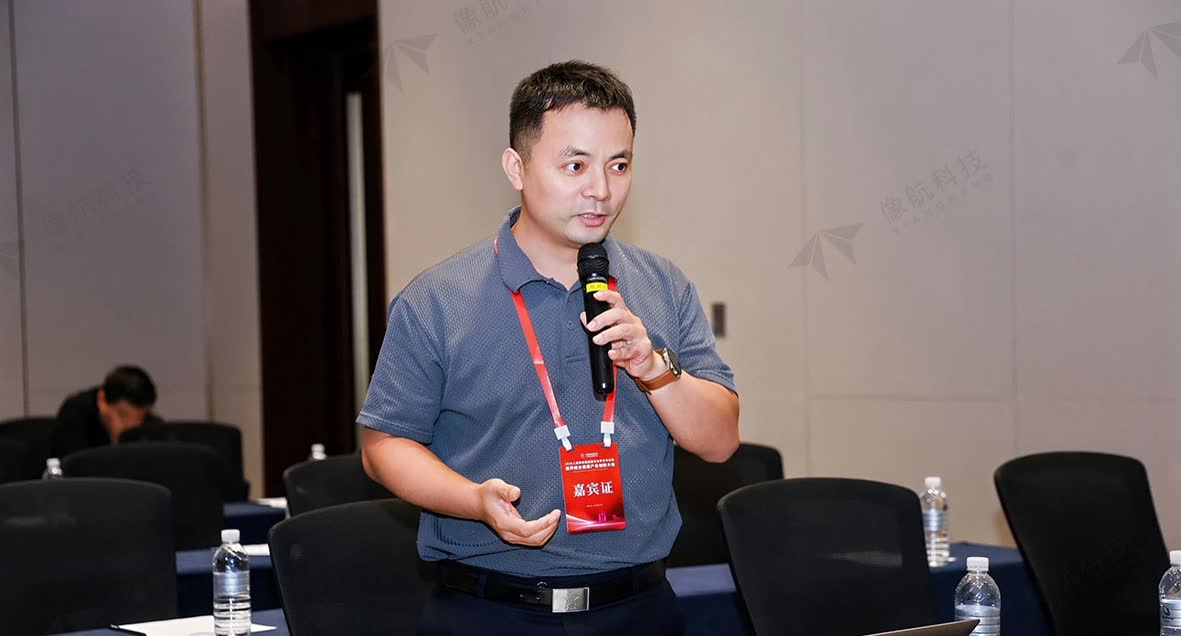
During the discussions, attending experts expressed strong interest in the clinical prospects of media-free holography, especially in scenarios like ICUs and operating rooms, where it is expected to bring revolutionary changes to diagnostic and treatment models.
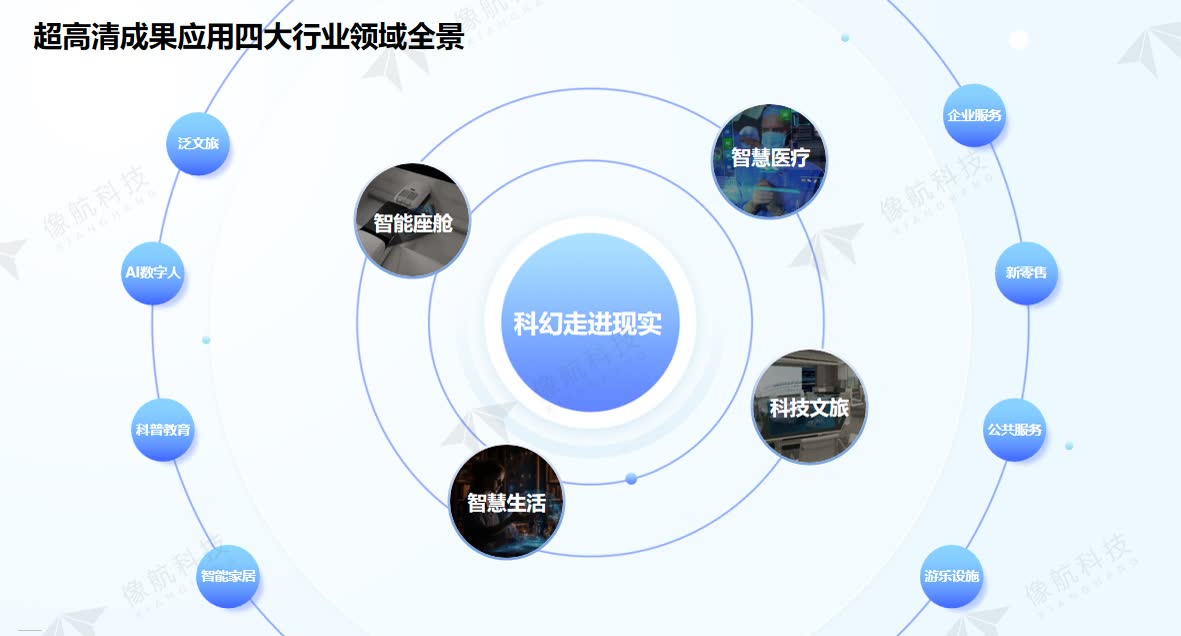
Currently, XHOLO’s media-free holography technology has achieved mass‑production implementation across industries including industrial manufacturing, cultural tourism, and automotive. The technical expertise accumulated across these cross‑sector applications also lays a solid foundation for iterative optimization in medical scenarios. However, this medical direction is still in its blue‑ocean exploration phase, harboring substantial opportunities for scientific research and innovation, while also requiring deep involvement of clinical experts in the technological iteration process to translate frontline diagnostic and therapeutic demands into directions for ongoing refinement.
Looking ahead, XHOLO will continue to deepen its commitment to medical-engineering integration, steadfastly guided by authentic clinical needs. It will persistently hone its media-free holographic medical solutions, actively participate in the development of industry standards, and propel more cutting-edge technologies out of the laboratory and into frontline hospital settings, injecting new momentum into the high‑quality development of smart healthcare and the integrated medical-elderly care industry.