As a new round of technological revolution and industrial transformation accelerates, human-computer interaction technology has become a core engine driving the development of the digital economy. Recently, the “Digital-Intelligent Space Design” micro-major, jointly developed by XHOLO and the School of Design and Arts at Beijing Institute of Technology, officially began classes! Its core course, Media-free Interaction Design: Technology and Applications, deeply integrates BIT’s profound design theory foundation with XHOLO’s leading media-free technology, aiming to cultivate innovative design talents for the future field of human-computer interaction.
This is not only an innovative practice in university-industry cooperation, but also an important move by XHOLO to actively align with the strategy of “self-reliance and self-strengthening in science and technology” and seize the commanding heights of future industries on the spatial intelligence track. With the responsibility of a “chain leader” enterprise, XHOLO is joining hands with top universities to forge a future-oriented innovative talent team for the building of a “Digital China.”
Integration of Industry and Education, Integration of Science and Education:
Jointly Building a “Golden Course” for the “Digital-Intelligent Space Design” Micro-Major
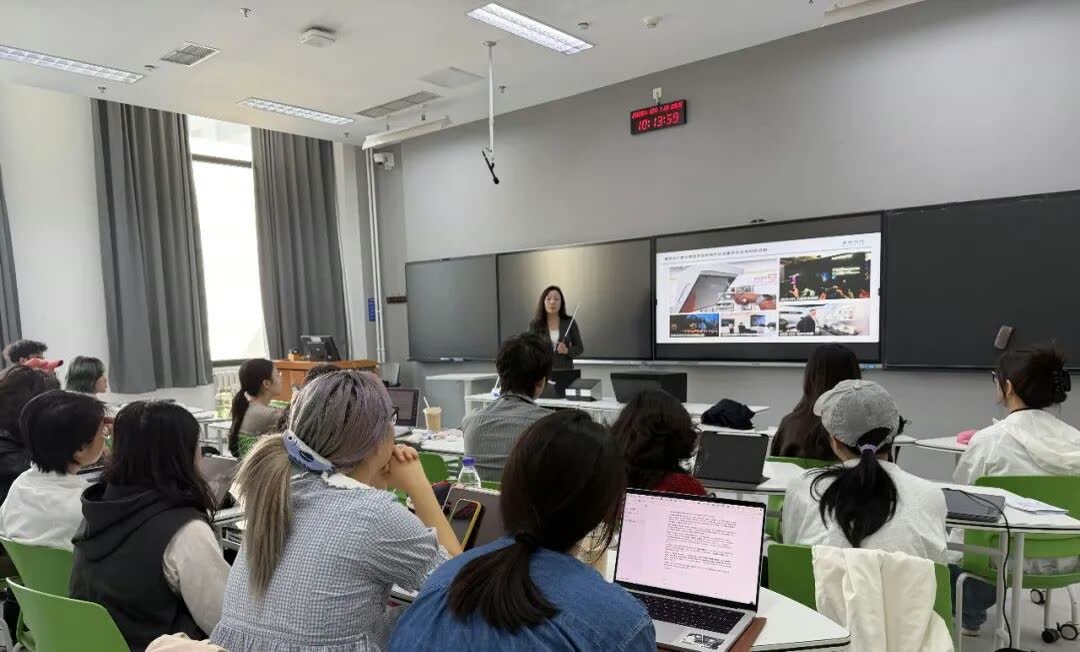
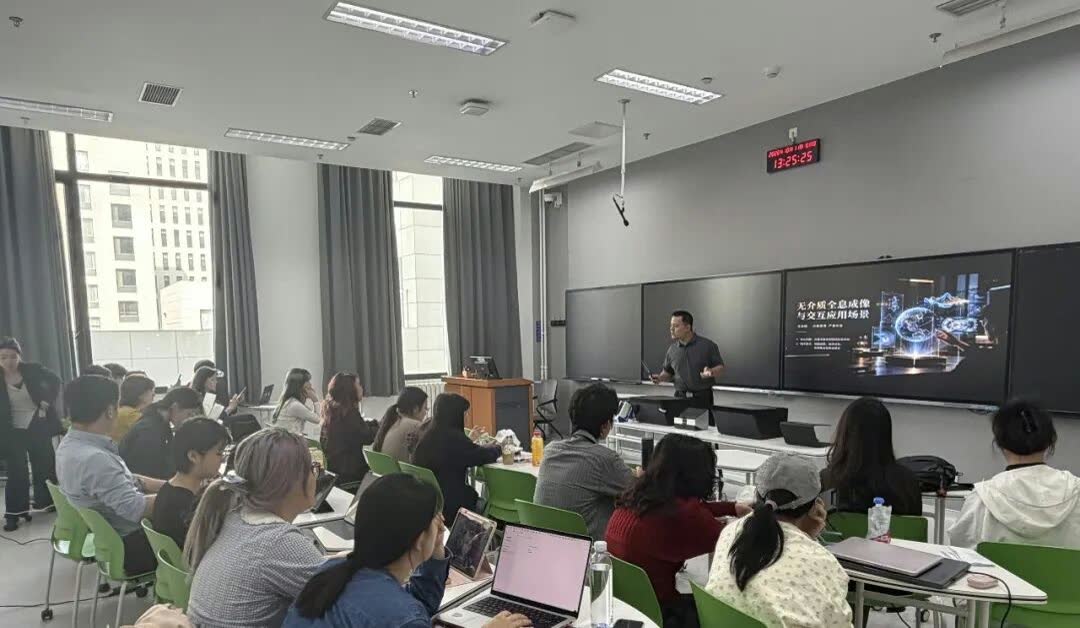
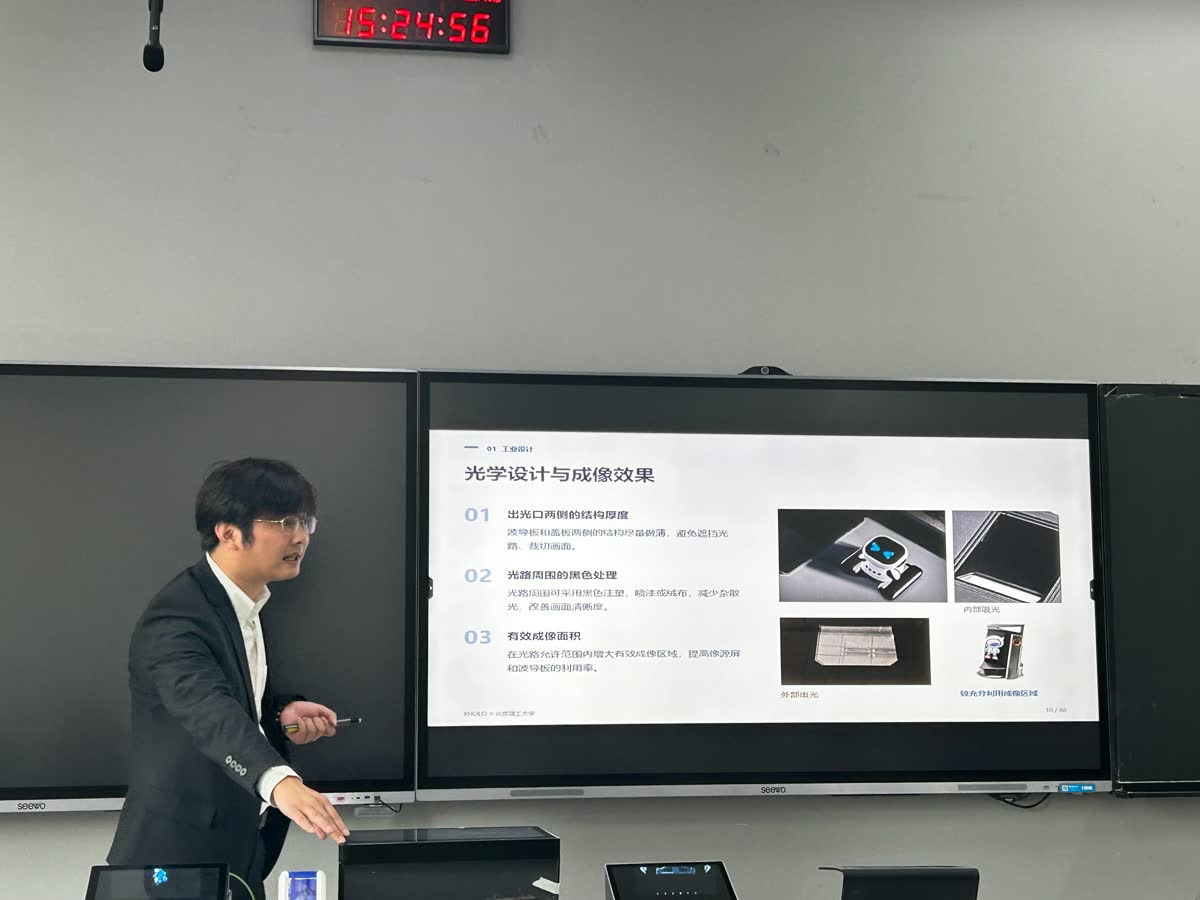
A strong education nation puts talent first. As a micro-major course under the Ministry of Education’s “Double Thousand Plan,” this cooperation deeply implements the national education policy of “industry-education integration and science-education integration.” The course is taught by Dr. Zhang Bing, Chairman of XHOLO; Professor Dang Zhenggang, Vice President; and Shen Yu, CTO, together with BIT’s excellent faculty team, jointly building a teaching system that seamlessly connects BIT’s profound design theory foundation with XHOLO’s frontline industrial practice.
▲Dr. Zhang Bing, Chairman of XHOLO, teaching
▲Professor Dang Zhenggang, Vice President of XHOLO, teaching
▲Shen Yu, CTO of XHOLO, teaching
The curriculum system is scientific and rigorous, covering core modules such as Introduction to Interaction Design, Media-free Interaction Technology and Applications, and Industry Scenario Analysis. This “theory + technology + hands-on practice” training model breaks down the barriers between traditional education and industry needs, truly connecting the classroom with the frontline of industry, and reserves urgently needed interdisciplinary top-notch talents for the country in the field of spatial intelligence.
People-Oriented and Serving the Country through Science and Technology:
Cultivating Future Designers with Humanity
Technology for good, people first. While teaching hard-core technology, this course attaches great importance to curriculum-based values education and educational philosophy, striving to inspire students’ passion for serving the country through science and technology and their national pride, and guiding them to closely integrate personal creativity with the nation’s innovation and development needs.
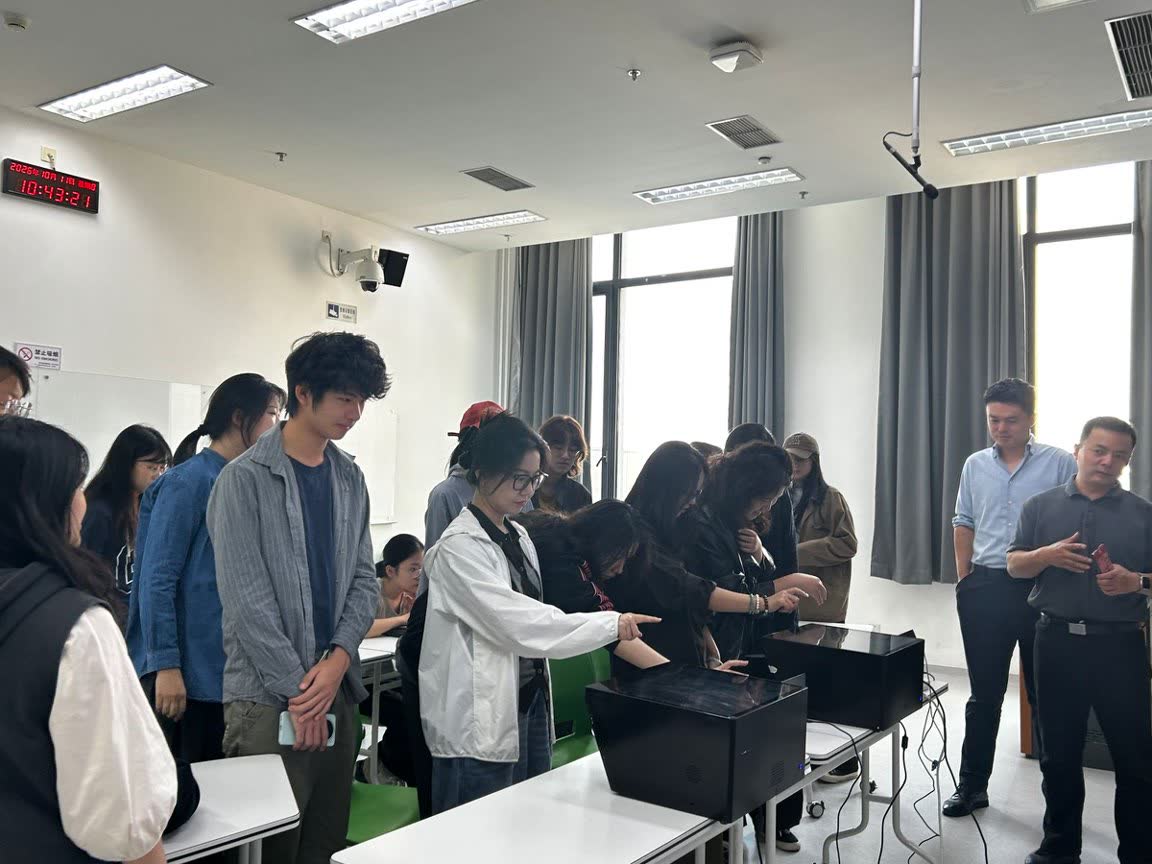
In teaching practice, the course emphasizes a user-centered design methodology. Students must not only master the basic principles of light field reconstruction and the characteristics of MOW-plate™, but also learn to identify industry pain points and practice technology for good. Through full-process training in “technology cognition—scenario insight—concept design—prototype realization—testing and optimization—solution presentation,” it cultivates innovative design talents with interdisciplinary collaboration skills and a sense of mission to the country.
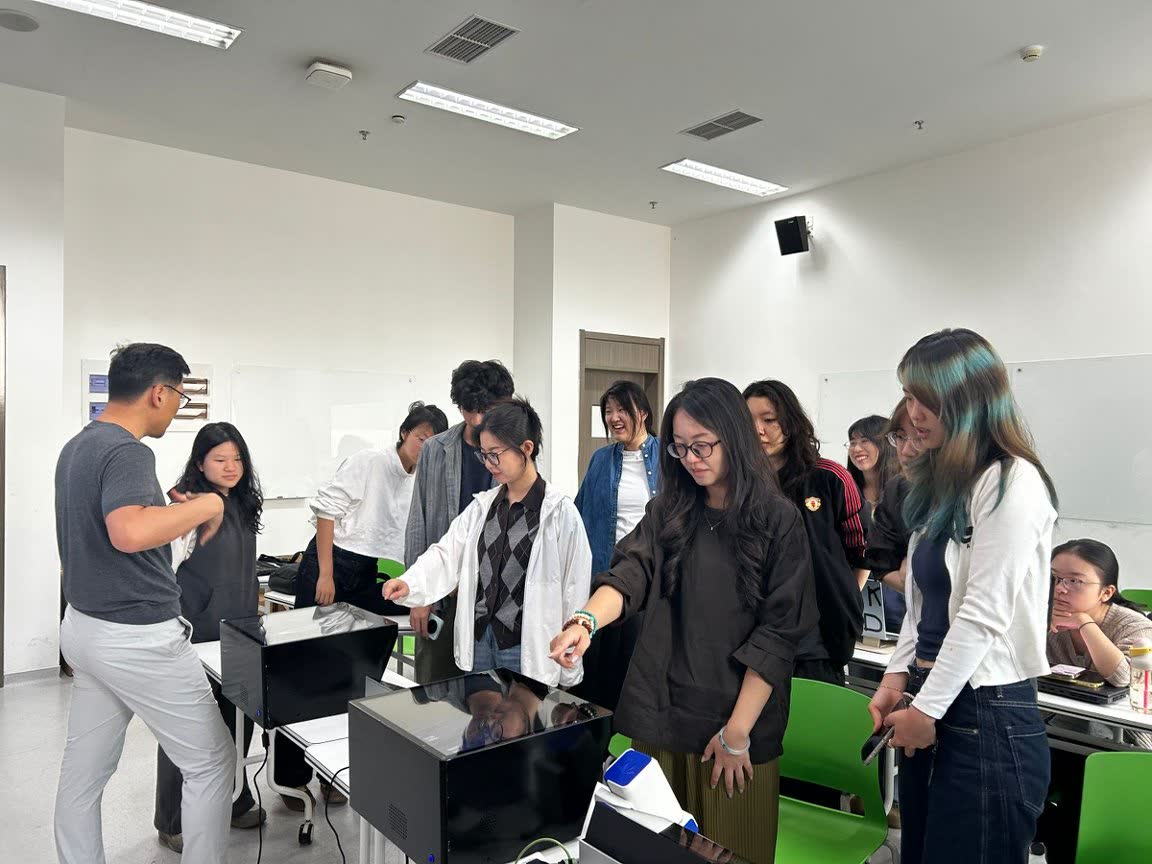
▲BIT students practicing on site
▲BIT students practicing on site
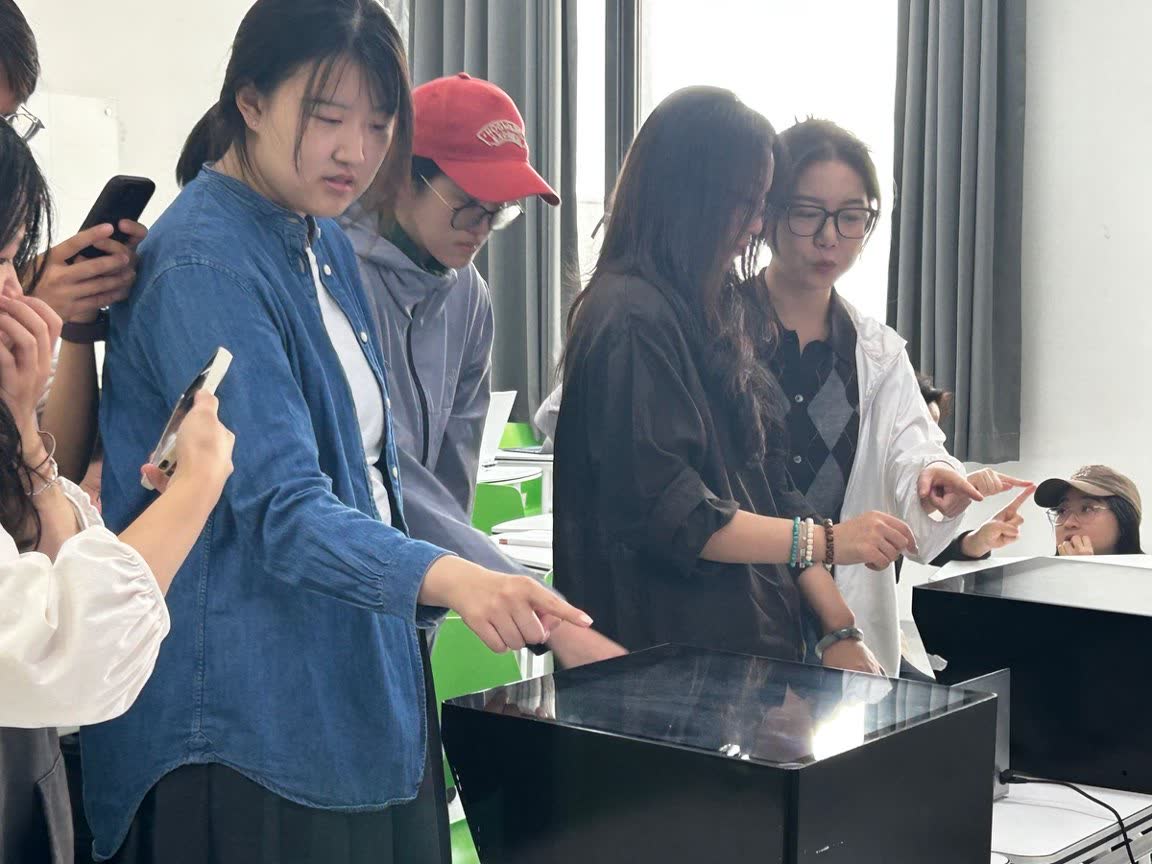
▲BIT students practicing on site
From “Bottleneck” to “Trump Card”:
The Optical Breakthrough of Domestic Original Technology
Key core technologies cannot be obtained by asking, buying, or begging for them. For a long time, the underlying optical devices for holographic display and media-free interaction have been an important direction of exploration and tackling in the field of human-computer interaction. XHOLO has persisted in independent innovation and successfully overcome the “bottleneck” problem of the optical flat lens MOW-plate™.
Based on the principle of light field reconstruction, this core technology completely breaks free from the constraints of traditional display media and wearable devices, achieving true Media-free Holography and floating projection. Users can see suspended three-dimensional images in the air and interact with them in real time without wearing any device. This breakthrough in domestic original technology not only builds a solid foundational barrier for China in the field of next-generation display technology, but also provides solid technical support for the Media-free Interaction Design course, allowing cutting-edge research results to be directly transformed into teaching content.
Empowering All Industries:
Driving Industrial Upgrading with New Quality Productive Forces
The value of technology lies in application. As an important new quality productive force, Media-free Holography technology is accelerating its penetration into the real economy. The innovative talents cultivated through this course and the core technologies are driving the deployment of media-free interaction technology in smart healthcare, intelligent cockpits, tech-enabled cultural tourism, smart homes, and many other industries.
The launch of the “Digital-Intelligent Space Design” micro-major is an important milestone for XHOLO and Beijing Institute of Technology in responding to national strategies and jointly building an innovation ecosystem. In the future, XHOLO will continue to play its role as an innovation entity, join hands with all parties in industry, academia, and research, continue to deepen industry-education integration, and, driven by the two wheels of core technology breakthroughs and high-end talent cultivation, contribute to China’s historic leap from “following” to “leading” on the spatial intelligence track.